

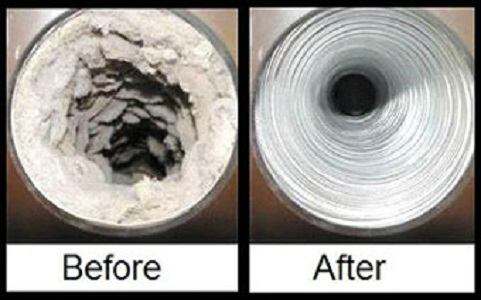
Most homeowners never think about their dryer vent. It runs out of sight, behind the dryer and through a wall, and as long as the dryer still works, it is easy to ignore. But a neglected dryer vent is one of the more overlooked fire hazards in a home. Lint is highly combustible, and a vent packed with it, behind a machine that produces heat, is a genuine risk. For Delaware County homeowners, understanding that risk, and the simple steps that reduce it, is worth a few minutes.
This guide covers why dryer vents become a fire hazard, the warning signs homeowners tend to miss, and how professional dryer vent cleaning addresses the problem. Lou Curley’s Chimney Service provides dryer vent cleaning across Delaware County and the Main Line, and the work has the same purpose as everything the team does: keeping the systems that move heat and air out of a home working safely.
Why a Dryer Vent Is a Fire Hazard
A clothes dryer works by tumbling clothes in heated air, and that process produces lint. The lint trap in the dryer catches some of it, but not all. The rest travels into the dryer vent, the duct that carries warm, moist air from the dryer to the outside of the house. Over time, lint accumulates along that duct. Lint is extremely flammable. When enough of it builds up in a vent that carries heat, the combination of fuel and heat is exactly what a fire needs. Dryer fires are a well-documented hazard, and the leading cause is a failure to clean the vent.
Why Dryer Vents Clog
Several things cause lint to build up. Simple time and use is the main one: every load adds a little more lint. A long or complicated vent run, with bends and elbows, gives lint more places to collect. A vent that is crushed, kinked, or poorly installed restricts airflow and traps lint. And the exterior vent flap can be blocked by debris or by birds and small animals nesting in the warm opening. Many Delaware County homes, especially older ones, have dryer vent runs that were not designed for easy airflow, which makes regular cleaning more important.
Warning Signs Homeowners Miss
A clogged dryer vent gives clear signals, but only if you know to look for them.
- Clothes take longer than one cycle to dry, or come out still damp.
- The dryer and the clothes feel unusually hot at the end of a cycle.
- The laundry room feels hot or humid when the dryer runs.
- There is a noticeable burning or musty smell during operation.
- Lint appears around the dryer or the exterior vent opening.
- It has simply been a long time, or you cannot remember, since the vent was last cleaned.
Why a Clogged Vent Matters Beyond Fire Risk
Fire is the most serious concern, but a clogged dryer vent costs a homeowner in other ways too. A dryer that has to run multiple cycles uses more energy, which raises utility bills. The strain of working against a blocked vent shortens the life of the dryer itself. And the trapped moisture can create humidity and even mold problems in the laundry area. Cleaning the vent addresses all of these at once.
How Professional Dryer Vent Cleaning Works
Professional dryer vent cleaning removes the accumulated lint from the entire length of the vent run, not just the part a homeowner can reach. Using specialized brushes and equipment, a technician clears the duct from the dryer connection to the exterior opening, checks that the exterior flap operates freely, and confirms that air is flowing properly. A homeowner can and should keep the lint trap clean between loads, but the full vent run, with its bends and hidden lengths, is a job for proper equipment. How often a vent should be cleaned depends on use and the length of the run, and a professional can recommend a sensible interval.
A professional cleaning is also a chance to catch a vent problem beyond simple lint. A technician may find a vent run that is crushed, disconnected, improperly routed, or vented somewhere it should not be, all of which work against the dryer and are worth correcting. Clearing the lint is the main job, but a knowledgeable eye on the whole vent path adds real value.
How Often Should a Dryer Vent Be Cleaned?
There is no single answer that fits every home, because the right interval depends on use and setup. A household that runs the dryer daily builds up lint far faster than one that uses it twice a week. A long vent run, or one with multiple bends, traps lint more quickly than a short, straight one. As a general guide, many homes are well served by a professional cleaning about once a year, with heavier-use households needing it more often. The warning signs covered above are the real guide: if clothes are taking longer to dry, the vent is asking for attention regardless of the calendar.
One practical habit helps: pick a memorable time of year and make dryer vent cleaning part of it, the same way an annual chimney inspection becomes routine. Tying the task to a fixed point on the calendar is the simplest way to make sure a year does not quietly stretch into three.
Newer Homes Are Not Exempt
It is easy to assume dryer vent buildup is an old-house problem, but that is not the case. Lint accumulates in any vent that is used, regardless of the home’s age. In fact, some newer homes place the laundry room far from an exterior wall, which means a longer, more winding vent run, and a longer run collects lint faster. Whether a Delaware County home is a century old or a few years old, the dryer vent needs the same periodic attention. The only real question is how often, and that is something a professional can answer after seeing the specific setup.
A Simple Step That Reduces a Real Risk
Dryer vent cleaning is not a large or expensive job, and that is part of why it gets overlooked. But it addresses a genuine fire hazard, lowers energy costs, and extends the life of the dryer. For a Delaware County homeowner, it is one of the higher-value, lower-effort pieces of home maintenance there is. Lou Curley’s Chimney Service handles dryer vent cleaning alongside its chimney work, applying the same standard: clear the system properly, confirm it is working safely, and tell the homeowner honestly what was found.
Frequently Asked Questions
Can a dryer vent really cause a fire?
Yes. Dryers produce lint, which is highly flammable, and lint accumulates in the vent duct over time. A vent packed with lint behind a heat-producing appliance is a real fire hazard. Failure to clean the dryer vent is the leading cause of dryer fires.
How do I know if my dryer vent is clogged?
Common signs are clothes taking more than one cycle to dry, the dryer and clothes feeling unusually hot, a hot or humid laundry room, a burning or musty smell, lint around the dryer or exterior vent, and simply not remembering the last cleaning. Longer drying times are the most common clue.
How often should a dryer vent be cleaned?
It depends on how much the dryer is used and how long and complex the vent run is. Many homes benefit from cleaning about once a year, but a heavily used dryer or a long vent run may need it more often. A professional can recommend a sensible interval for your home.
Why are my clothes taking so long to dry?
A frequent cause is a clogged dryer vent. When lint blocks the duct, the warm, moist air cannot escape efficiently, so clothes need extra cycles to dry. Homeowners often blame the dryer when the real problem is the vent.
Can I clean the dryer vent myself?
You can and should keep the lint trap clean between loads. The full vent run, with its bends and hidden lengths, is best cleaned by a professional with the proper brushes and equipment, since lint deep in the duct is what creates the fire hazard and is hard to reach otherwise.
Is a clogged dryer vent only a fire risk?
No. Beyond fire risk, a clogged vent makes the dryer work harder, which raises energy bills and shortens the dryer’s life, and the trapped moisture can cause humidity and mold problems in the laundry area. Cleaning the vent addresses all of these.
When was your dryer vent last cleaned? Contact Lou Curley’s Chimney Service to schedule dryer vent cleaning and reduce a fire risk most Delaware County homeowners overlook.