
A chimney leak might not seem like a major concern, especially during the warmer months when your fireplace is not in use. But in reality, water intrusion is one of the most damaging and expensive chimney issues homeowners face. A small leak today can lead to big problems by winter, especially here in Delaware County, where seasonal weather cycles are tough on masonry structures. Addressing chimney leaks in your Drexel Hill home early helps prevent structural damage, keeps your home safe, and avoids costly repairs later.
Chimney Leaks: Why You Should Fix Them Now!
Understanding Why Chimneys Leak
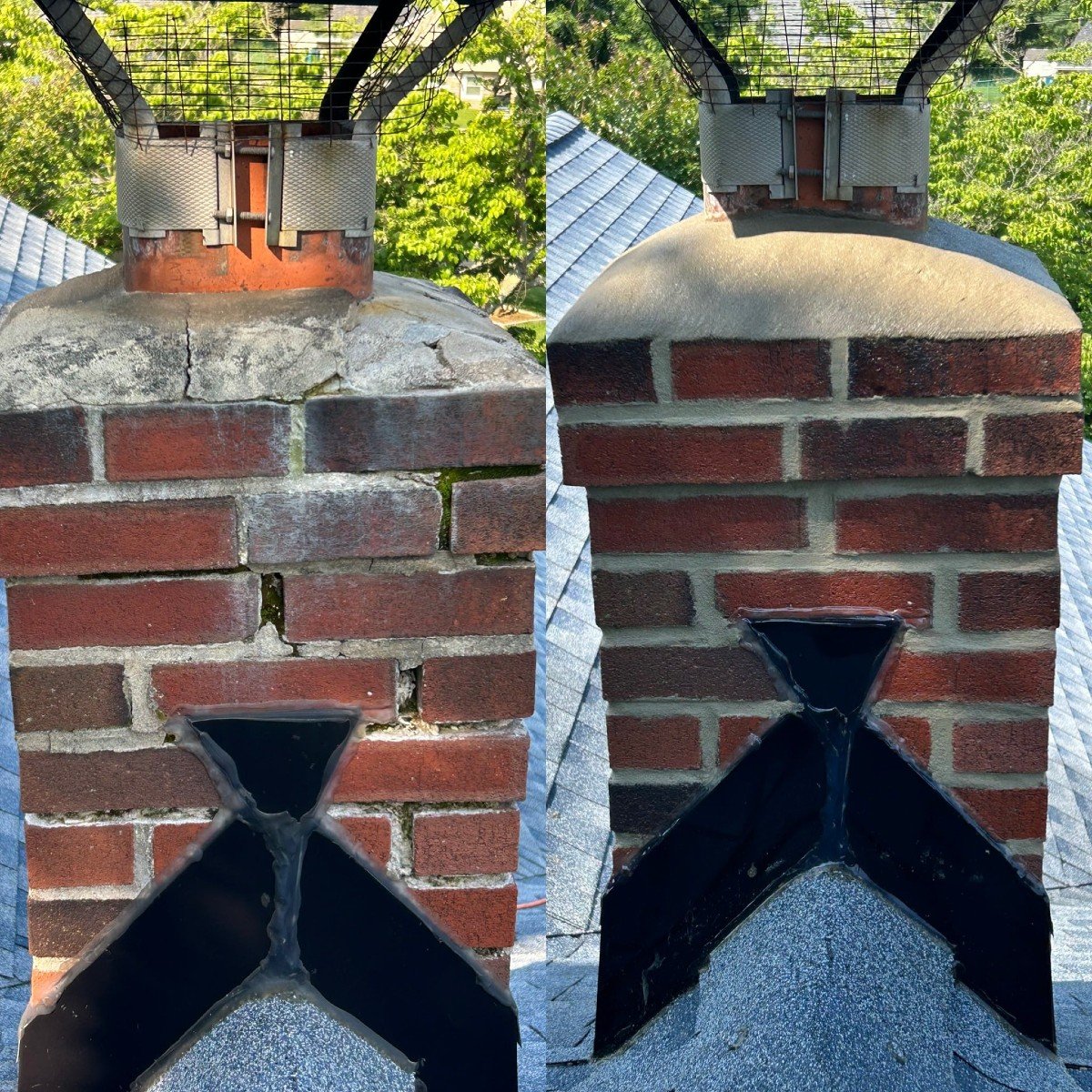
Chimneys are among the most exposed parts of your home, sitting high above the roofline and directly in the path of rain, snow, sleet, and wind. Over time, this exposure takes its toll. A few common culprits that cause most chimney leaks include cracked crowns, deteriorated mortar joints or sealant, missing or broken chimney caps, and compromised flashing at the roofline.
This problem becomes even more serious when the freeze-thaw cycle comes into play. Water inside small cracks or gaps freezes and expands, forcing the masonry further apart. As this process repeats, those small gaps become large cracks, bricks begin to spall or crumble, and the chimney’s structural integrity becomes compromised.
Many chimney leaks go unnoticed until the symptoms show up inside the home.
Signs You May Already Have a Chimney Leak
Many chimney leaks go unnoticed until the symptoms show up inside the home. Homeowners may start to see stains on ceilings or walls near the fireplace or notice bubbling paint and warped drywall. Others might hear dripping sounds inside the firebox, especially after rain, or spot visible signs like water pooling in the hearth.
If you look closely at the exterior, you may also find cracked bricks, missing mortar, rust streaks on the chase, or moss growing near the base of the chimney. A white, chalky residue on masonry surfaces is another telltale sign of prolonged moisture exposure. Rust on the damper or fireplace doors points to ongoing water intrusion. In any of these cases, acting quickly can help prevent a chimney leak in your Drexel Hill home from causing further damage to the chimney and the rest of your property.
The Cost of Waiting Too Long
Putting off chimney leak repairs for your Drexel Hill home is one of the biggest mistakes a homeowner can make. While it may not seem urgent during dry weather or when the fireplace isn’t in use, damage from leaks does not pause during the off-season. Water continues to weaken bricks and mortar over time, and when winter weather returns, the damage can escalate quickly.
Unrepaired leaks can lead to mold growth in nearby insulation or wall cavities, rotten wood framing around the chimney, and deteriorated flue liners. These issues compromise the safety of your chimney and can create fire hazards or reduce indoor air quality. In extreme cases, a severely damaged chimney may require partial or full rebuilding, far more expensive and time-consuming than early repair work.
Repairing the Root of the Problem
The first step to addressing a leak is identifying exactly where water is getting in. A professional chimney inspection allows experienced technicians to evaluate all parts of your system. Common repairs include replacing damaged flashing at the base where the chimney meets the roof, resealing or replacing a worn chimney cap, rebuilding or resurfacing the chimney crown, and repointing any cracked or missing mortar joints.
One of the most effective long-term solutions is applying a breathable professional-grade water repellent sealant. This treatment allows moisture already inside the brick to escape while keeping new rain and snow from getting in. The key is to make sure the chimney is first repaired properly so that the sealant can work effectively without trapping any moisture inside.
How to Prevent Future Leaks
Once a leak is repaired, regular inspections are your best defense. Annual chimney evaluations help catch developing issues before they turn into full-blown problems. Keeping the crown and cap in good condition, checking flashing for movement or rust, and monitoring the integrity of the masonry can prevent future water intrusion.
Even if you haven’t used your fireplace recently, water damage can occur at any time. Scheduling a chimney inspection allows for needed repairs to be completed and ensures your system is in top shape.
Why Local Expertise Matters
At Lou Curley’s Chimney Service, we understand the unique weather patterns and home construction common to Drexel Hill and the surrounding parts of Delaware County. Our team is trained to spot and correct chimney leaks with precision, using proven methods and durable materials that hold up through harsh Pennsylvania winters. We take the time to assess not only where the chimney leak in your Drexel Hill chimney system is coming from, but how to prevent future issues.
Working with a certified chimney professional means gaining insight into your entire chimney system, not just the symptoms. When we repair a leak, we do it with the long-term condition of your chimney in mind, helping you avoid repeat problems and unnecessary expenses.
Schedule Your Inspection Before It Gets Worse
If you’ve noticed signs of moisture or damage near your chimney, now is the time to act. Waiting could mean more damage, higher costs, and fewer repair options. Even if you are unsure whether a leak is present, a thorough inspection gives you peace of mind heading into the colder seasons.
If you need brick, mortar or flashing repair services in Drexel Hill, reach out to Lou Curley’s Chimney Service today to schedule your chimney inspection or leak repair consultation. We’re here to keep your chimney safe, dry, and ready for whatever the weather brings.