
Dryer Vent Cleaning Across Delaware County and the Main Line
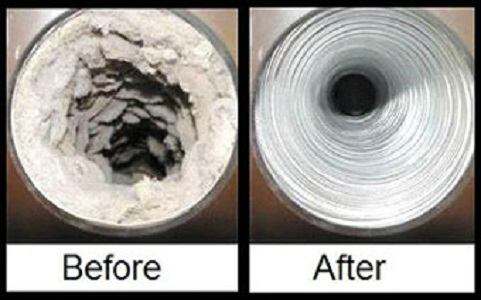
Dryer vents do not get the same attention as chimneys, but they should. A clogged dryer vent is one of the leading causes of residential fires in the United States, and even a partial clog cuts dryer efficiency, drives up energy bills, and shortens the working life of the appliance. Lou Curley’s Chimney Service has CSIA-Certified Dryer Exhaust Technicians (CDET) on staff, and we clean dryer vents across Delaware County and the Main Line.

Why Dryer Vent Cleaning Matters
A clogged dryer vent is not just an efficiency problem. It is a real safety issue.
- Fire safety. Lint is highly flammable. As it accumulates inside the dryer vent, the risk of ignition climbs. According to the U.S. Fire Administration, clothes dryers cause an estimated 2,900 home fires each year.
- Carbon monoxide safety. Gas dryers produce carbon monoxide. If the vent is restricted, those combustion byproducts can back up into the home. CO is odorless and colorless. The first symptoms can look like the flu.
- Wear and tear on the dryer. A clogged vent forces the dryer to work longer to dry the same load. That extra heat and run time shortens the appliance’s life and damages your clothes.
- Efficiency. A small accumulation of lint inside a small-diameter vent makes a big difference. A restricted vent means longer drying cycles and higher energy bills.
- Money. Every load that takes two cycles to dry doubles your dryer energy cost. Multiply that across a year of laundry and it adds up.
Signs Your Dryer Vent Needs Cleaning
If any of these apply, get on the schedule.
- A single load of laundry takes more than one cycle to dry
- Clothes come out of the dryer unusually hot to the touch
- You have a plastic dryer vent or plastic connector (these should be replaced with metal)
- There is excessive lint accumulating around the dryer or near the vent termination outside
- It has been more than a year since the vent was inspected or cleaned
Maintaining the Lint Trap
The lint trap is your first line of defense, and it only works if you keep it clear.
Empty the lint trap after every single load. That habit alone removes a meaningful percentage of the lint that would otherwise end up in the duct.
Beyond that, wash the lint trap with soap and water every month or two. Lint traps look clean visually but can accumulate microscopic residue from dryer sheets and fabric softener that clogs the mesh. A clogged-mesh lint trap blocks airflow without you knowing it. A quick wash, full rinse, and complete dry restores the trap.
How to Slow Lint Buildup Between Professional Cleanings
A few habits help.
- Clean the lint trap after every load
- Clear the exterior vent cap regularly
- Replace flexible accordion-style ductwork with smooth, rigid metal duct
- Address dryer repair issues instead of running a struggling appliance harder
- Do not overload the dryer
- Keep the vent run as short as practical
- Schedule annual dryer vent inspection
We Do Not Recommend DIY Dryer Vent Cleaning
A few reasons.
- It is easy to push a clog rather than remove it. Without the right tools, what you think is a clear-out is often just a relocation of the blockage further into the system, which makes it worse and harder to reach.
- It is easy to damage the duct. Especially with older accordion-style flexible ducts, the wrong tool causes punctures and tears that turn into bigger problems.
- It is easy to spread lint inside the home. A DIY attempt without the right equipment pushes lint and dust into your indoor air, which clogs filters, affects air quality, and creates more work elsewhere.
Hire it out and get it done right the first time.
Book Your Dryer Vent Cleaning
Annual dryer vent inspections are the standard we recommend, with cleaning as the inspection indicates. The Chimney Safety Institute of America runs a certification program for dryer exhaust technicians (CDET), and the technicians we send out for this work hold that credential.
If you book a chimney cleaning and dryer vent cleaning on the same day, we can usually save you time on both. Call Lou Curley’s Chimney Service at 610-626-2439 or request an appointment to get on the schedule.