
Annual Chimney Inspections Across Delaware County and the Main Line
The Chimney Safety Institute of America (CSIA) and the National Fire Protection Association (NFPA) recommend an annual chimney inspection on every chimney and vent. That includes chimneys serving fireplaces, stoves, furnaces, boilers, water heaters, and clothes dryers. Lou Curley’s Chimney Service performs chimney inspections, fireplace inspections, furnace vent inspections, and dryer vent inspections across Delaware County and the Main Line, and we approach every visit like the result actually matters, because it does.
A chimney inspection tells you how your system is performing, whether anything needs repair, and whether the chimney is due for a sweeping. It is the single most important hour of attention your chimney gets each year.
What an Inspection Actually Covers
The purpose of a chimney inspection is to give you an accurate picture of your chimney’s condition and to flag anything that needs to be addressed before it becomes a safety or performance issue. The NFPA splits inspections into three levels.
- Level 1. Recommended for chimneys with no recent changes in use, fuel type, liner, or attached appliance. We verify the soundness of the chimney and flue, check for blockages and combustible deposits like creosote, and review basic appliance installation and connections.
- Level 2. Required any time the system has changed (new fuel type, new liner, new appliance), and any time the property is being sold or transferred. Also required after any malfunction, chimney fire, or external event that could have damaged the chimney. Includes everything in a Level 1 plus a video scan of the fireplace flue and a look at accessible portions of the chimney’s exterior and interior, including attics, crawl spaces, and basements.
- Level 3. Reserved for cases where serious hazards are suspected and access requires removing parts of the building or chimney. Includes everything in Levels 1 and 2, plus invasive access to the areas in question.
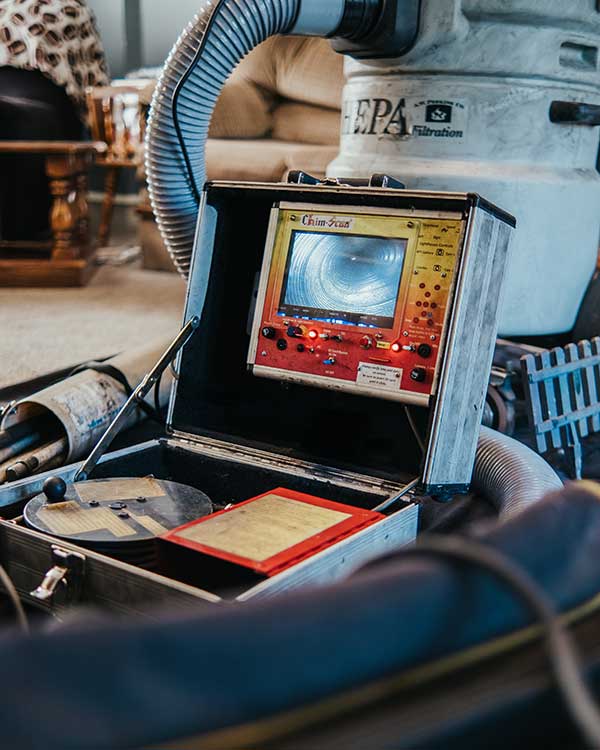
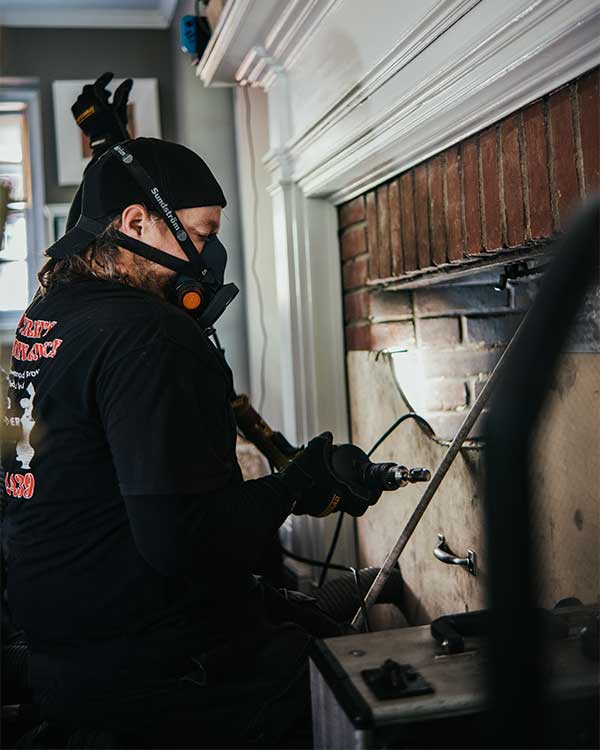
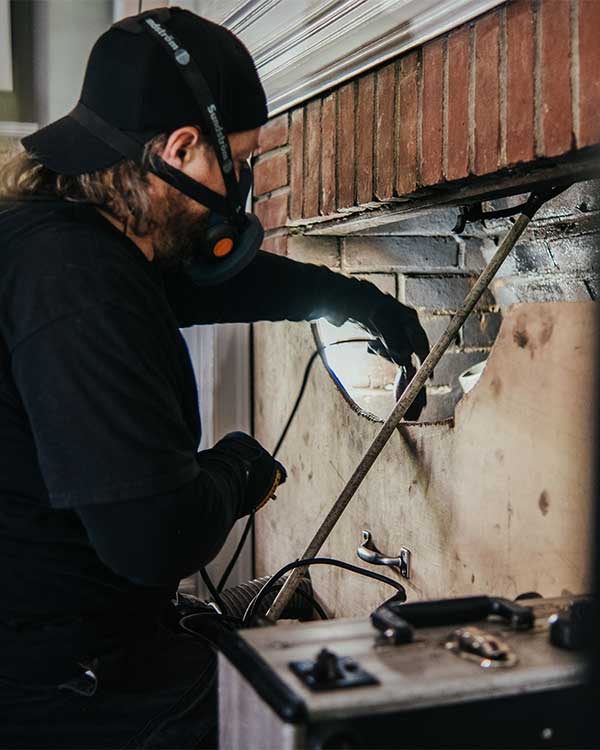
A video scan is not required by code on a Level 1 inspection. Our policy is to include a video scan on every fireplace inspection regardless of level, because scanning the flue from top to bottom is the only honest way to know what is going on inside a wood-burning system. Non-fireplace inspections (furnace and boiler flues, for example) are scoped to the system being inspected.
Why an Annual Inspection Is Worth Booking
A neglected or damaged chimney can cause chimney fires, carbon monoxide leaks, and structural damage to the home. The United States sees more than 25,000 chimney fires a year, with more than 125 million dollars in property damage attached to them. The good news is that most of those fires are preventable. An annual inspection by a CSIA-certified chimney sweep catches the small problems (blockages, early creosote buildup, hairline crown cracks) before they become the kind of problems that end up on the evening news.
A well-maintained chimney is also more efficient. Less buildup means better draft, which means cleaner burns, lower fuel costs, and better heat in the room.
How Often Should You Have Your Chimney Inspected?
Annually, at minimum. That is the recommendation from both the NFPA and the CSIA, and it applies whether you use your fireplace four times a year or four times a week. A lot can change in twelve months. Chimney swifts can nest in an unprotected flue during breeding season and leave behind highly flammable debris. A small crown crack can become a major leak after one bad winter. The annual inspection is what lets us catch these things on our timeline, not yours.
If you burn frequently or extend the use of your fireplace beyond a normal burn season, we may recommend a second inspection during the year. We will tell you straight if that is necessary. Ready to chat? Call or reach out to Lou Curley’s Chimney Service online.
What We Commonly Find During Inspections
After thousands of chimney inspections across Delaware County and the Main Line, certain issues come up again and again.
- Water damage. Water gets in through cracks and damaged crowns and slowly corrodes the inside of the system. Leaky walls and ceiling stains inside the home are common downstream effects.
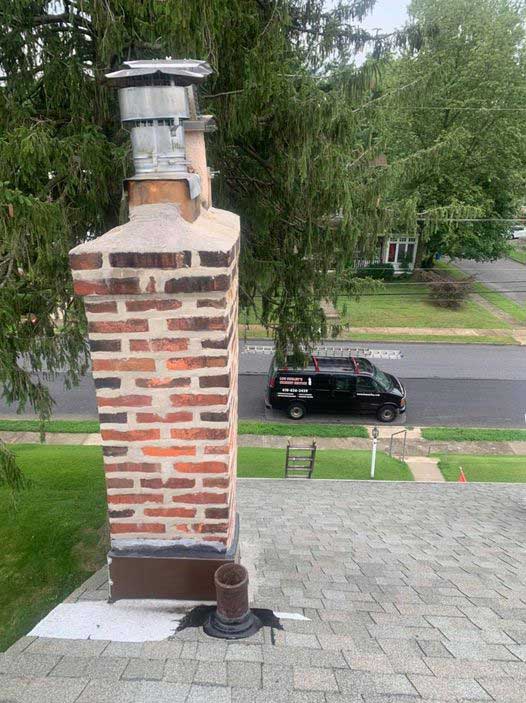
- Excessive creosote buildup. Even an eighth of an inch is enough to be a fire hazard. Sometimes the buildup is normal. Sometimes it is the sign of a draft problem that needs to be fixed.
- Cracked liner or masonry. Cracks in brick or flue liners let heat and combustion gases escape into places they should not be. This is one of the leading paths to a chimney fire.
- Blockages. Debris, animal nests, and fallen masonry can all restrict airflow. The result is smoke (and worse) backing up into the home.
- Faulty damper. Dampers that do not seal or do not move freely create draft problems and energy loss.
- Missing or damaged cap and crown. The cap and crown protect the top of the chimney from water, animals, and debris. When either is compromised, the rest of the chimney pays for it.
- Damaged flashing. Flashing seals where the chimney meets the roof. When it fails, water finds the gap.
- Deteriorating masonry. Years of weather will eventually erode brick and mortar. We catch it before structural integrity is at risk.
What Happens When the Inspection Finds Something
If we find an issue, your technician documents it in the inspection report and walks you through your options. We are not here to scare you into the most expensive repair. We are here to give you the information you need to make a good decision. A few questions worth asking:
- Does this need to be fixed now, or can it wait? Stage 3 creosote needs to come out immediately. A small mortar crack can wait a few months. Your technician will tell you which is which.
- What are my options? There is rarely only one fix. A damaged crown might be sealed if the damage is light, or replaced if it is heavy. We will give you the range.
- Is the system safe to use in the meantime? If the answer is no, we will tell you and explain why.
- How do I keep this from happening again? Some problems are unavoidable weather damage. Others come from operating habits we can adjust.
The Best Time to Book Your Inspection
Spring and summer. Booking during the off-season gives you the most flexibility on the schedule, and if we find anything that needs repair, we can get it handled well before burning season starts. Wait until October and your options shrink fast. Our fall and winter calendar fills quickly, and so does every other reputable chimney company’s.
Buying or Selling? Get a Level 2 Inspection From a CSIA-Certified Sweep
If a property in Delaware County or the Main Line is changing hands, a Level 2 chimney inspection is the right call. The American Society of Home Inspectors Standard of Practice does not require home inspectors to inspect the flue or chimney interior. A home inspector might glance at the fireplace and chimney exterior and call it good, but the real condition of the system is inside the flue.
We have walked too many homeowners through unexpected post-closing chimney repair bills to recommend skipping this step. A Level 2 inspection gives the buyer and seller honest information to negotiate with. Book yours today.
Do HVAC Contractors Inspect Your Furnace and Boiler Flues?
Generally, no. When your boiler or furnace gets its annual service, the HVAC tech may clear debris at the base of the chimney, but they are not inspecting the chimney itself. The flue that vents your oil or gas furnace or boiler should be inspected annually like any other chimney. We are CSIA-certified and F.I.R.E.-certified to do exactly that, and if the inspection reveals damage or corrosion, we also reline furnace and boiler flues.
Schedule Your Chimney, Dryer, or Furnace Vent Inspection
Booking is easy: call Lou Curley’s Chimney Service at 610-626-2439 or request an appointment right here on our website. We serve Delaware County and the Main Line, and our certified team will give you an honest assessment of what your chimney needs and what it does not.